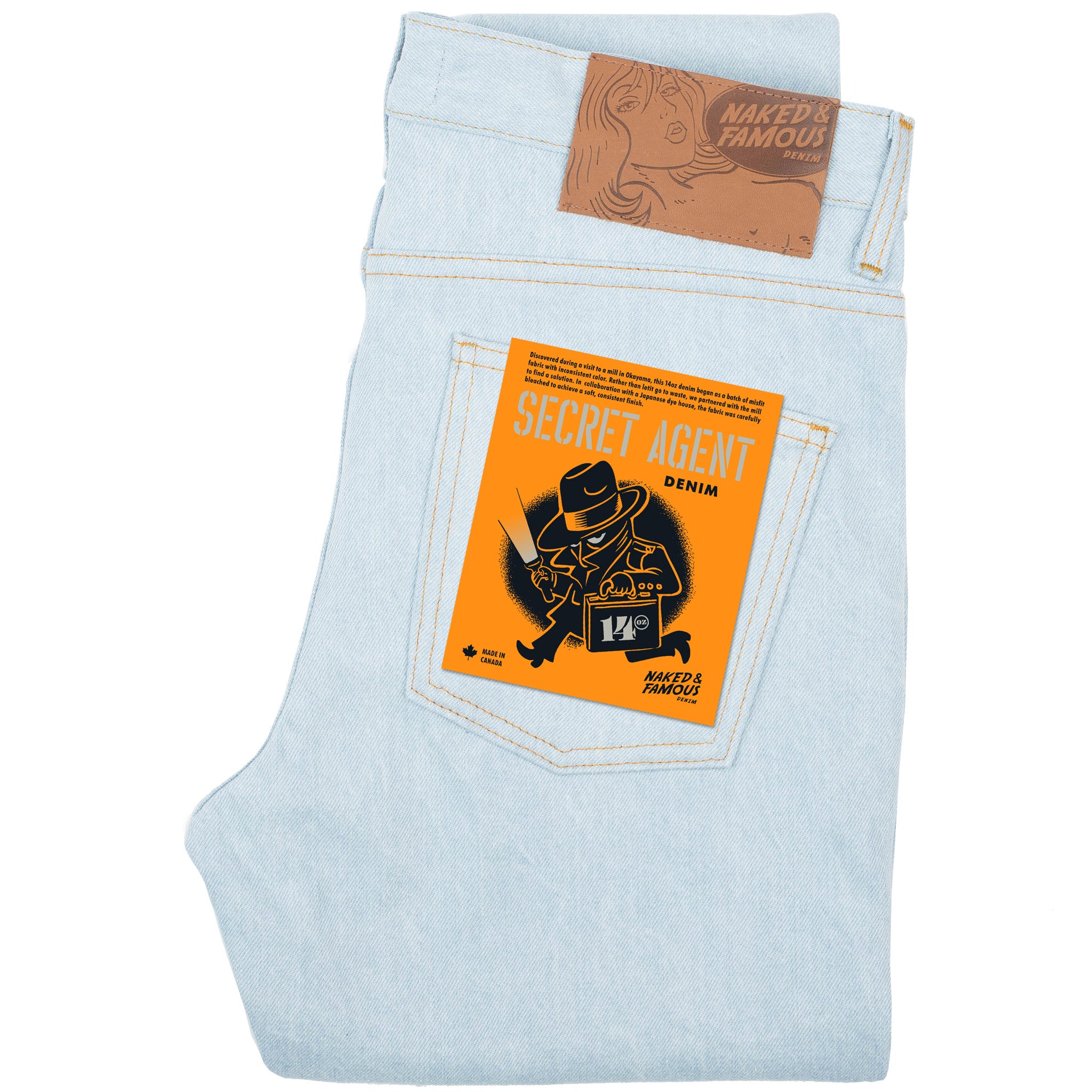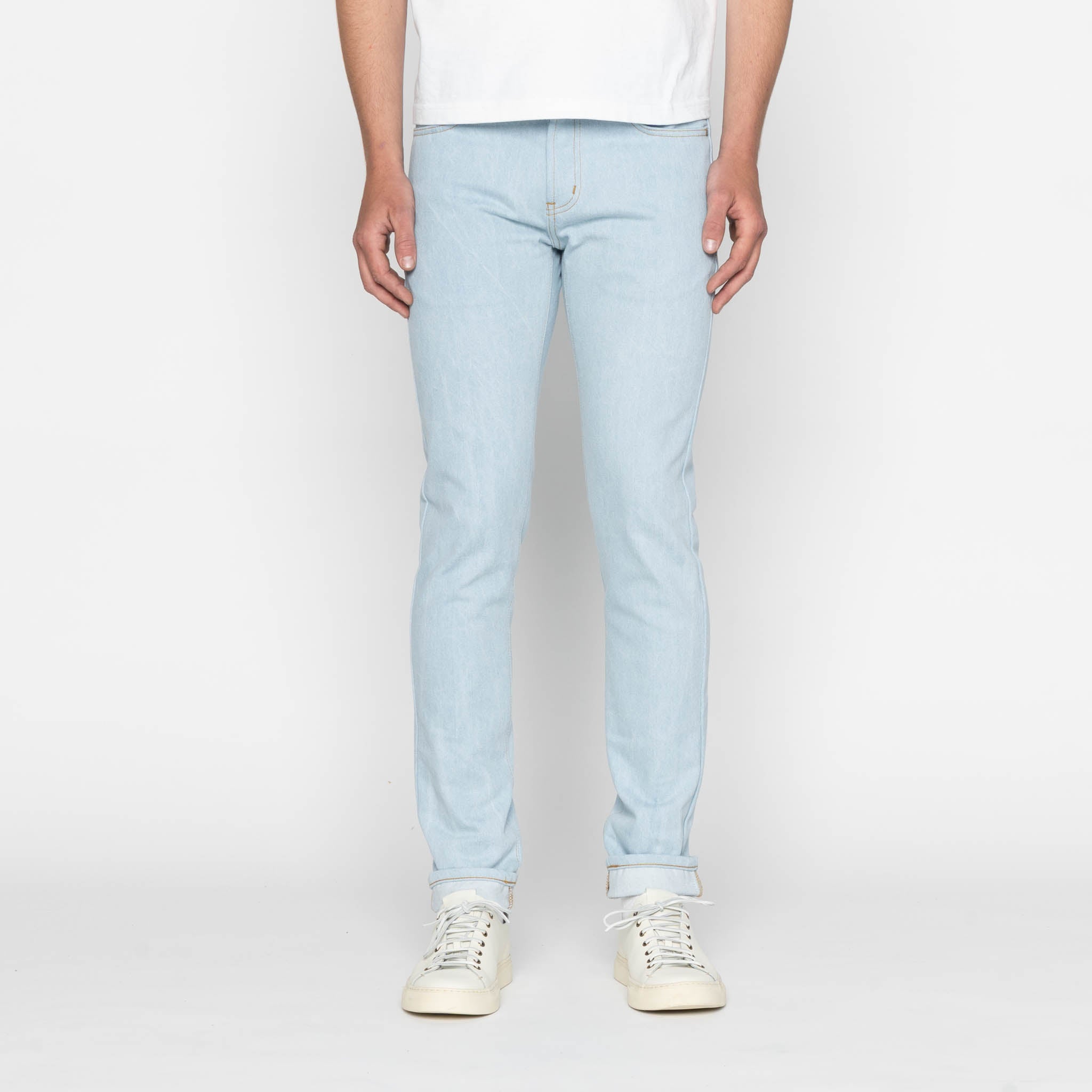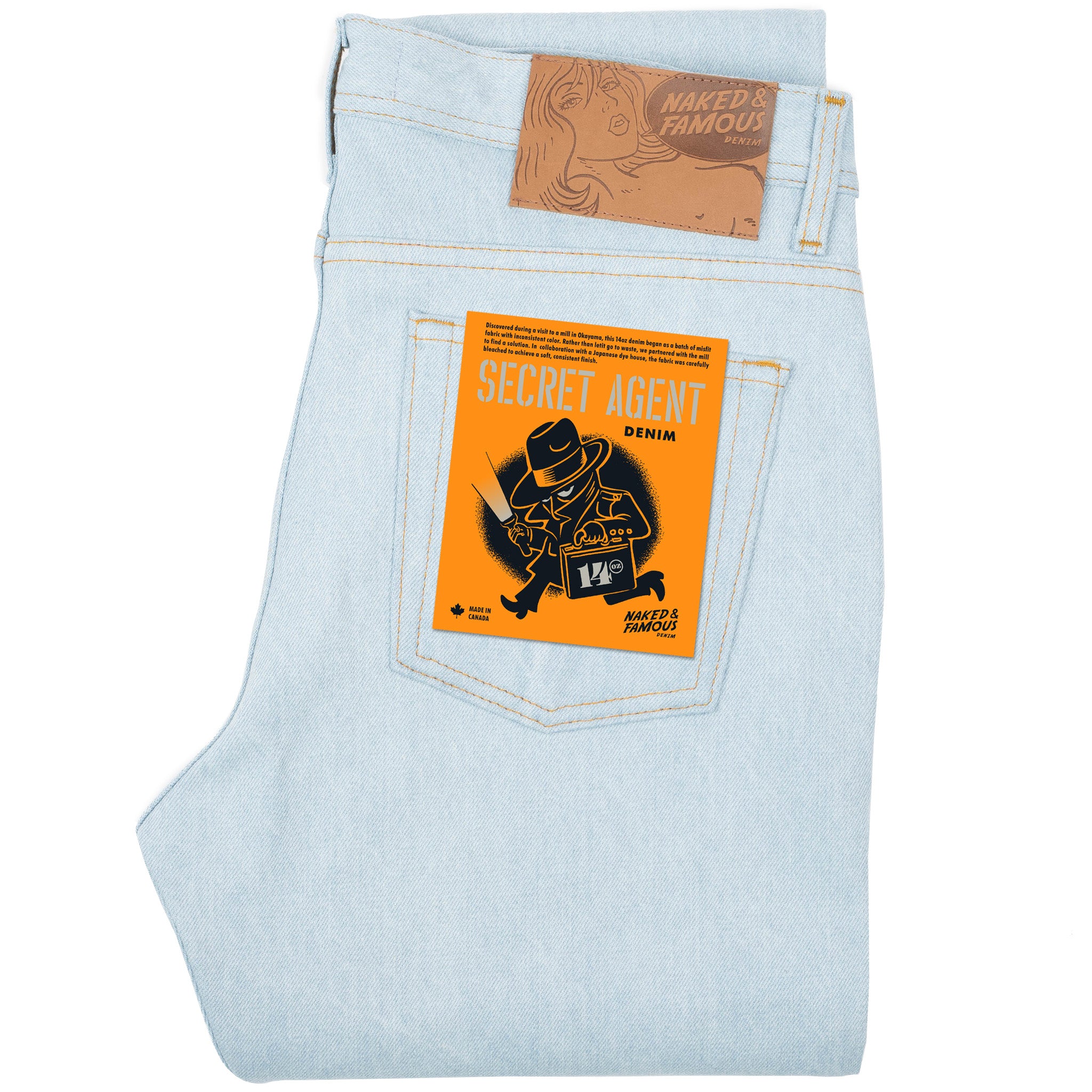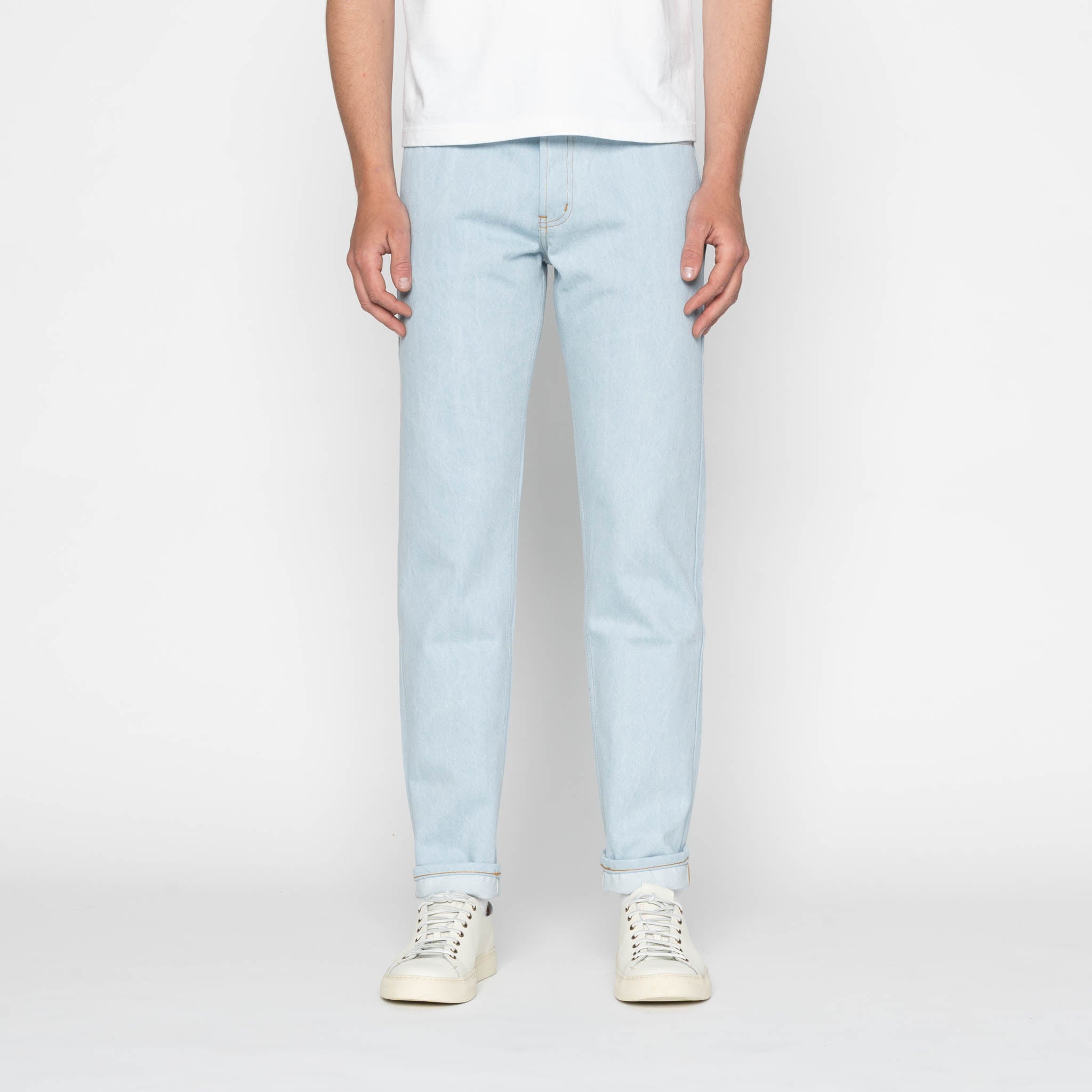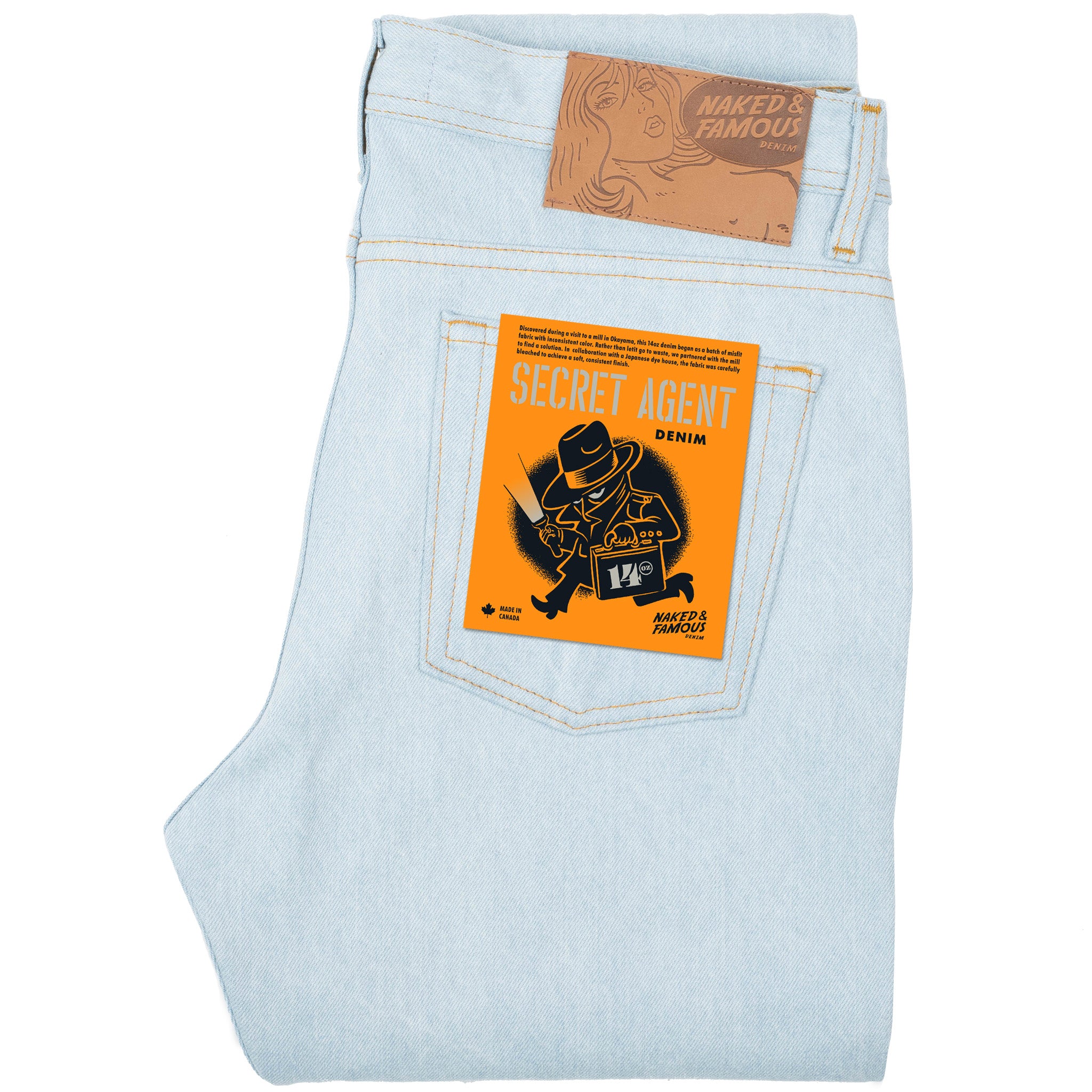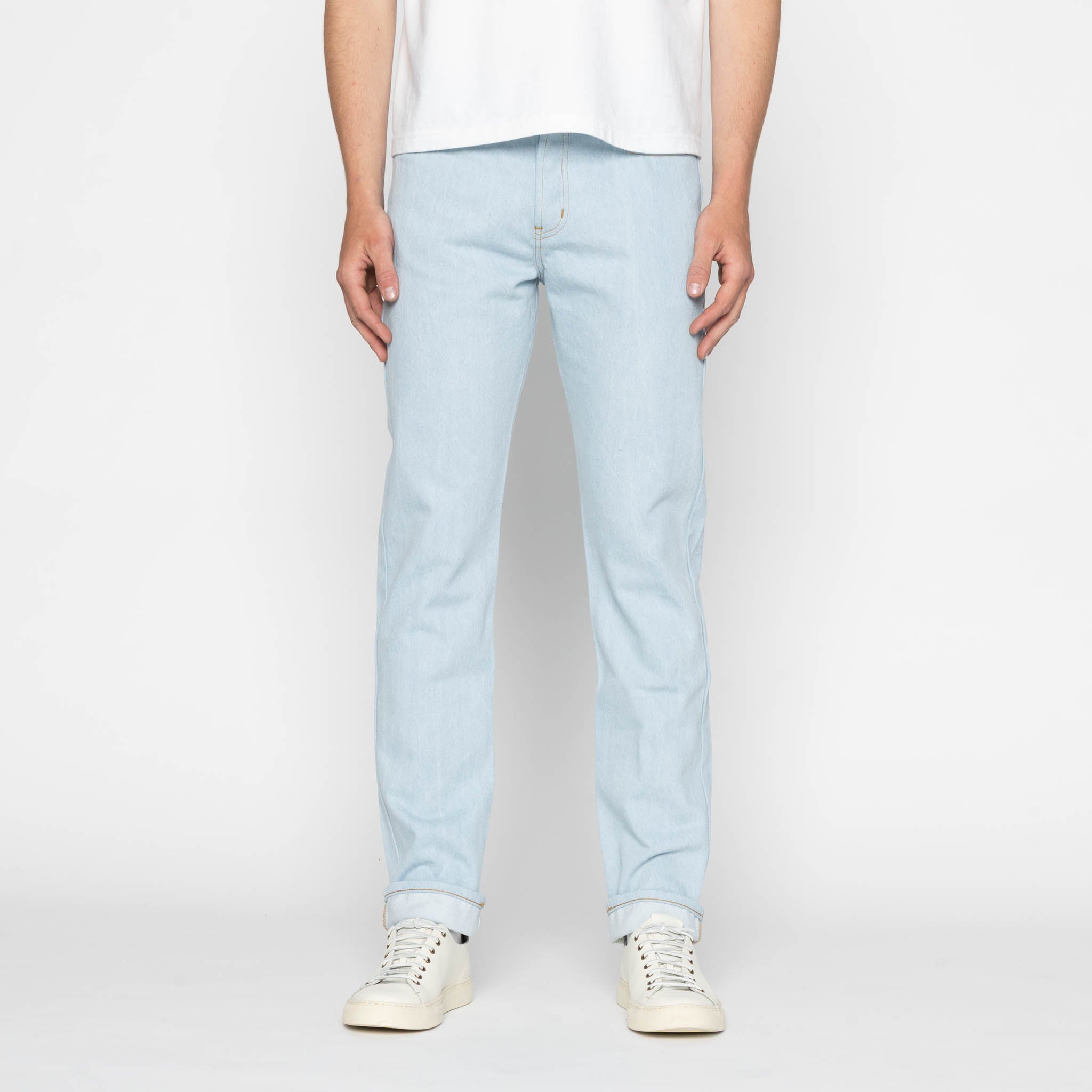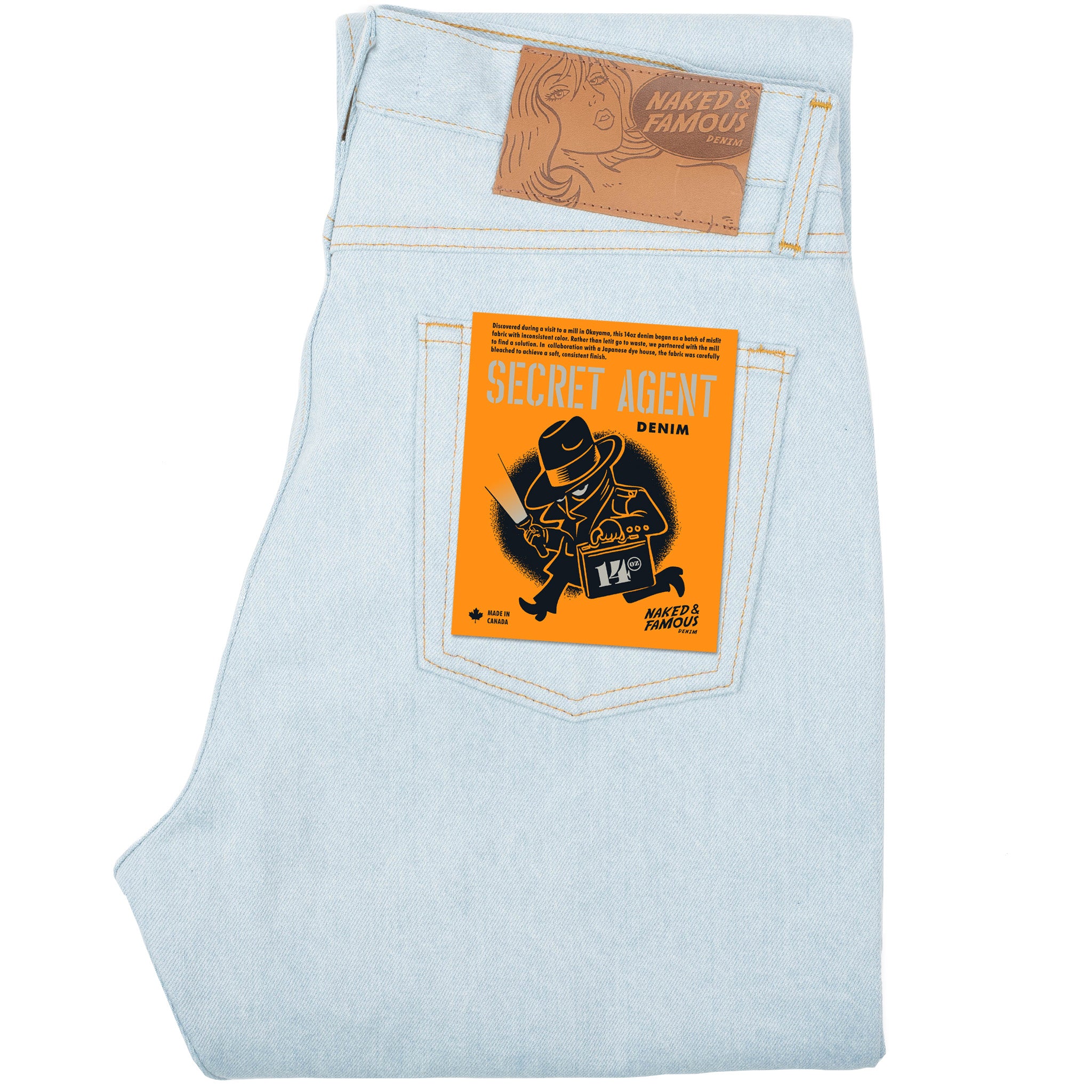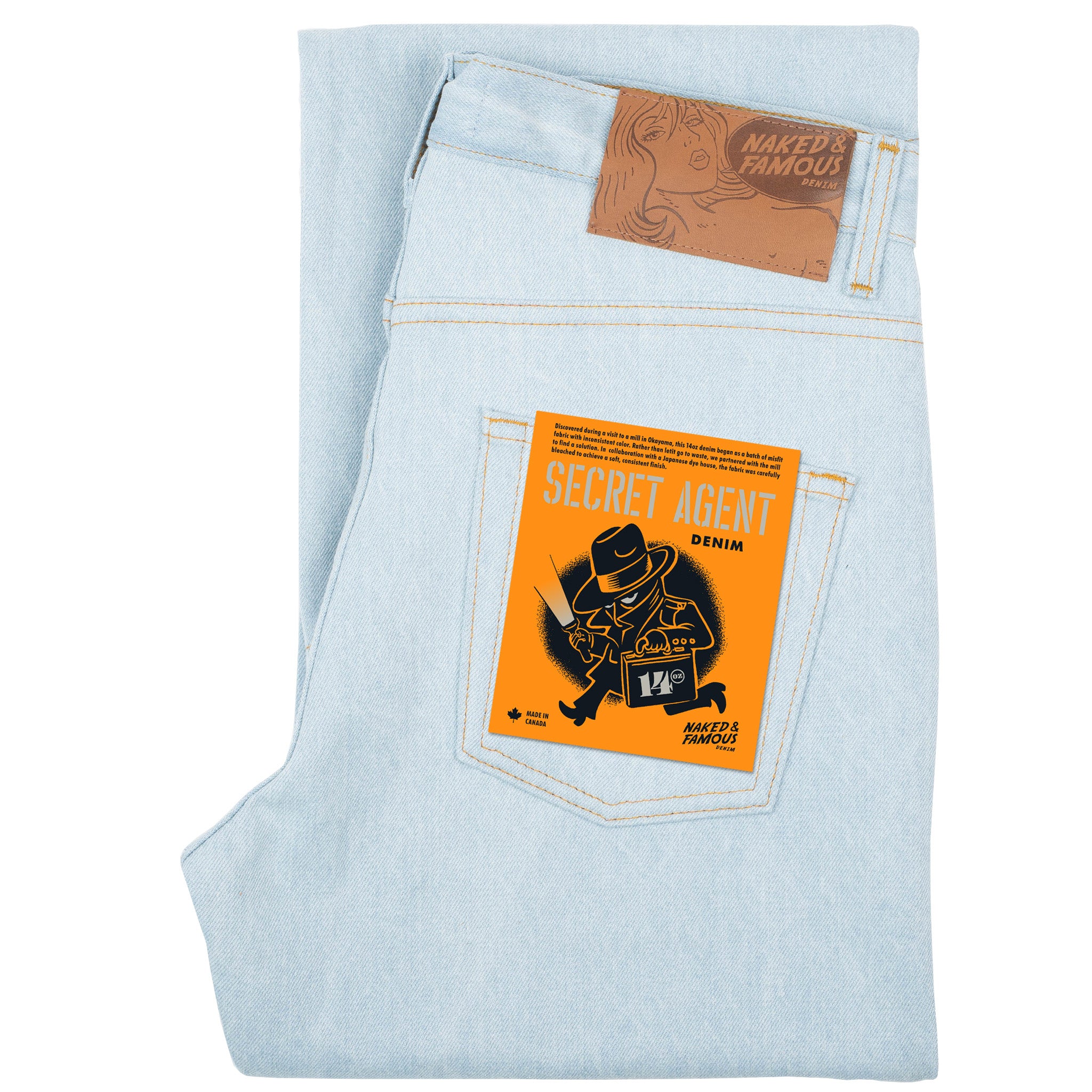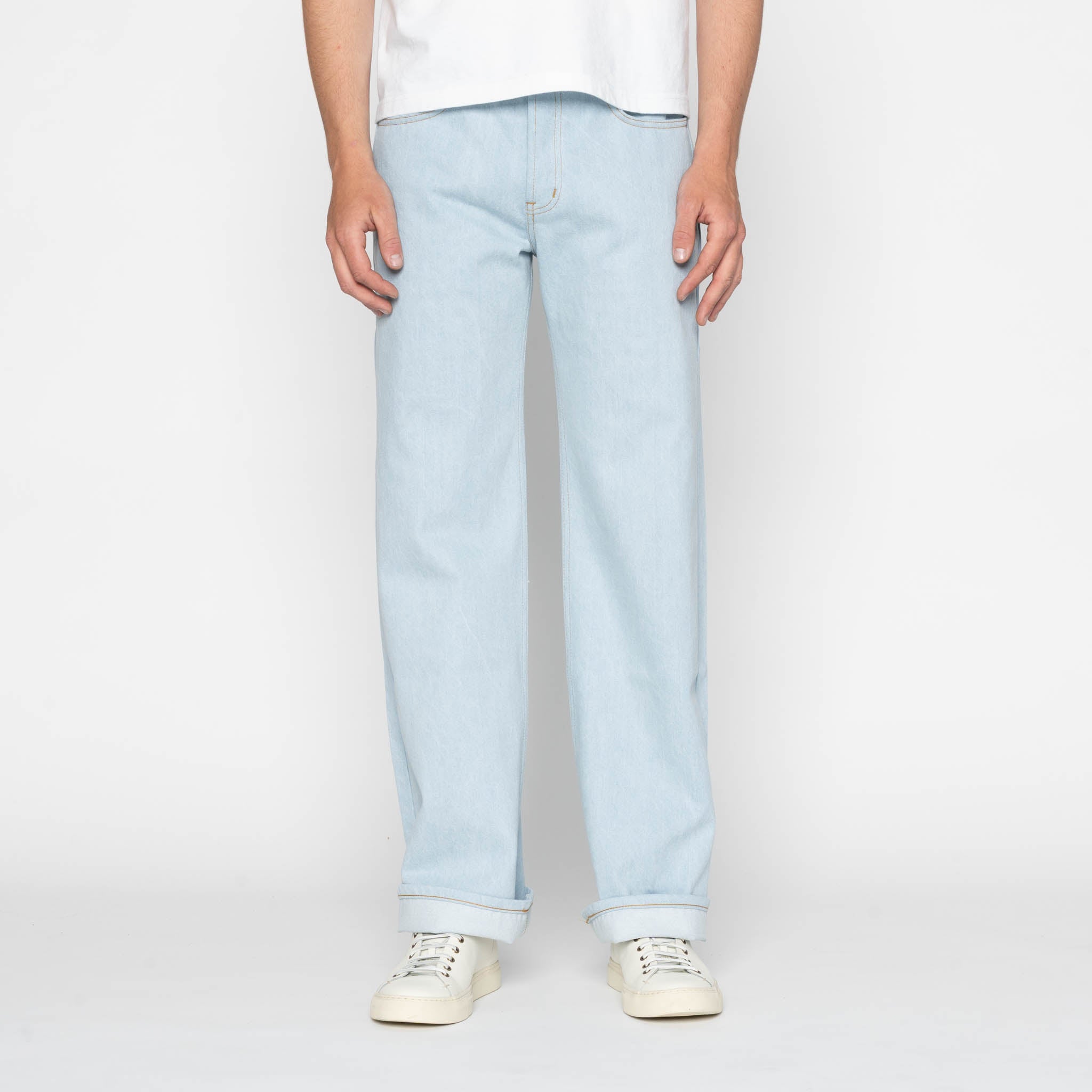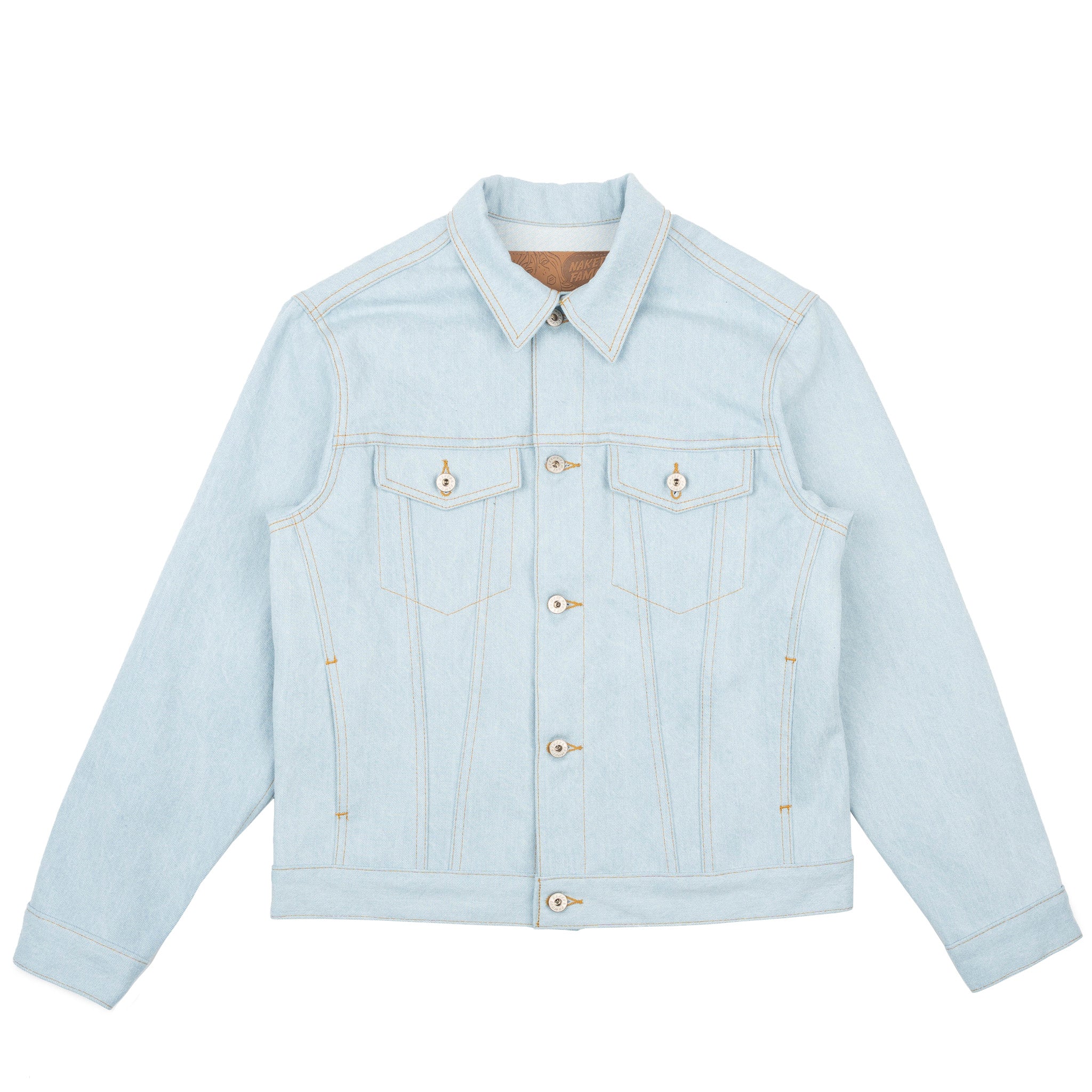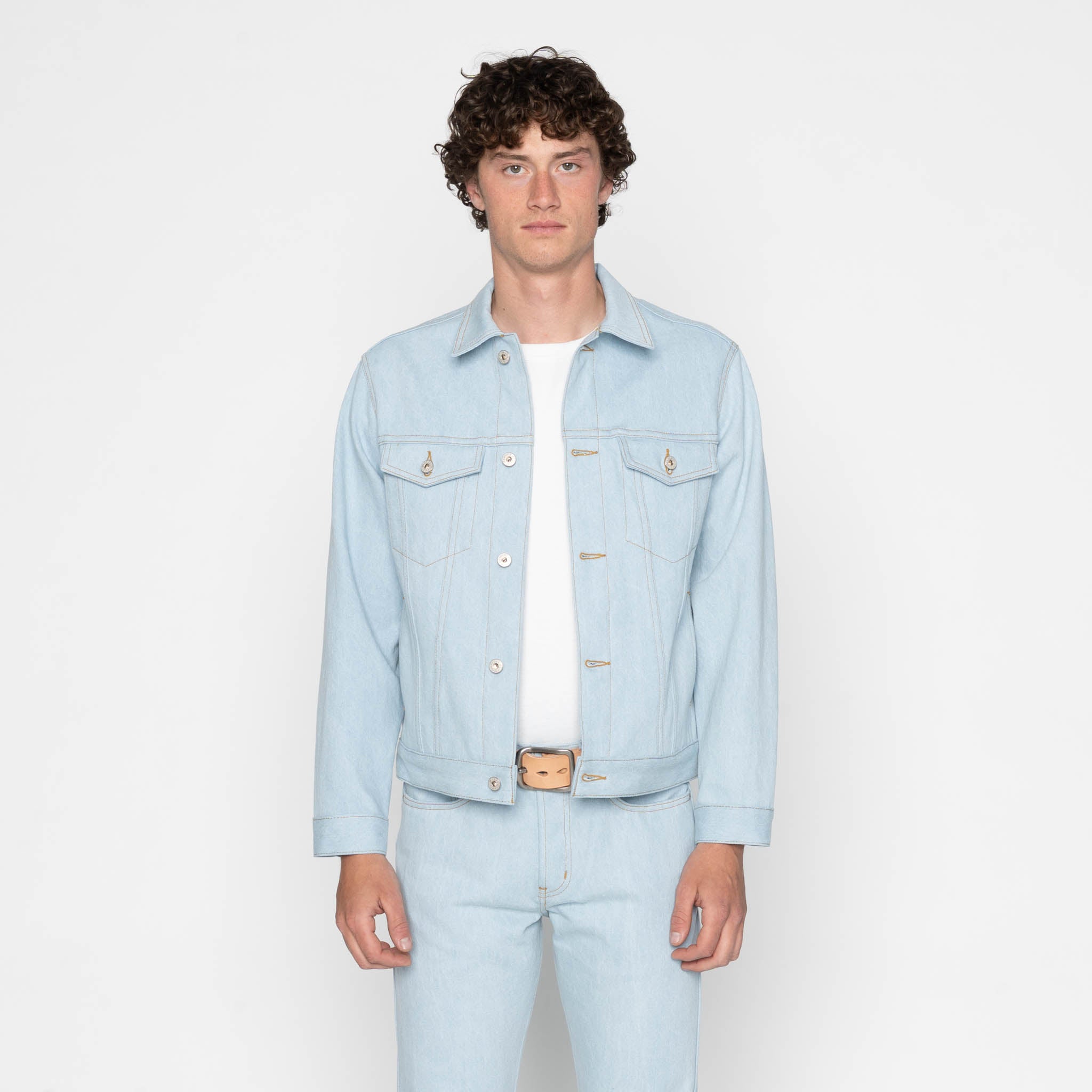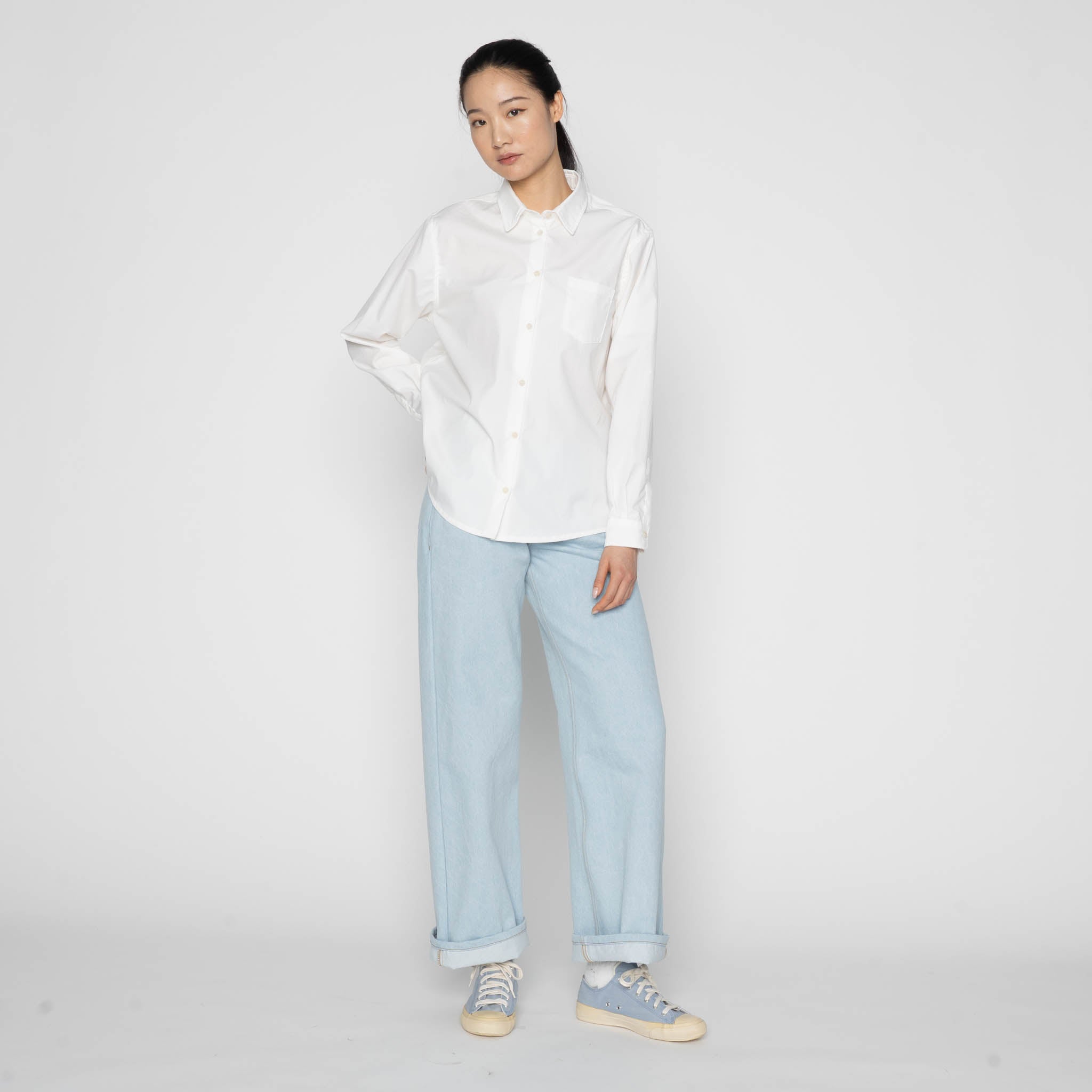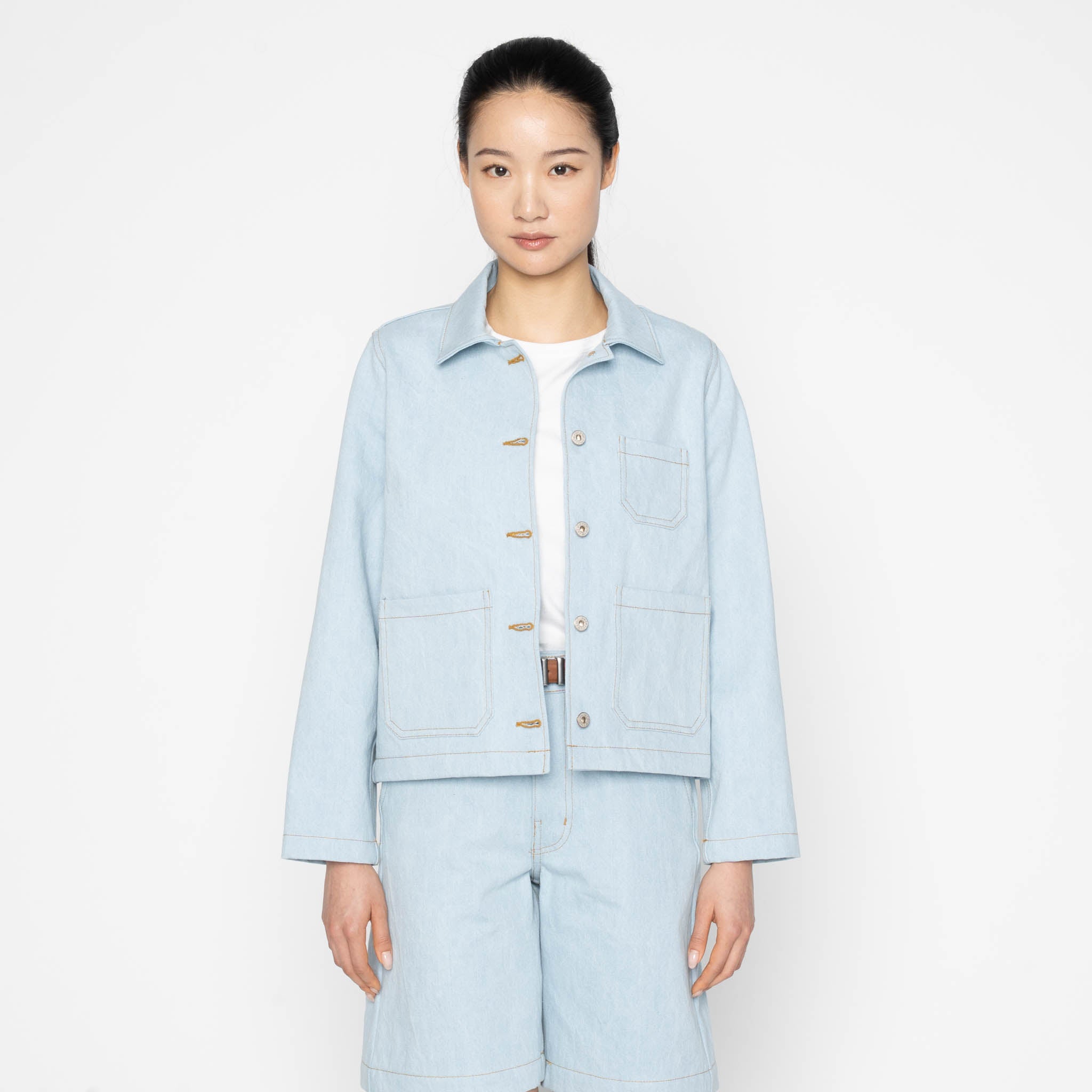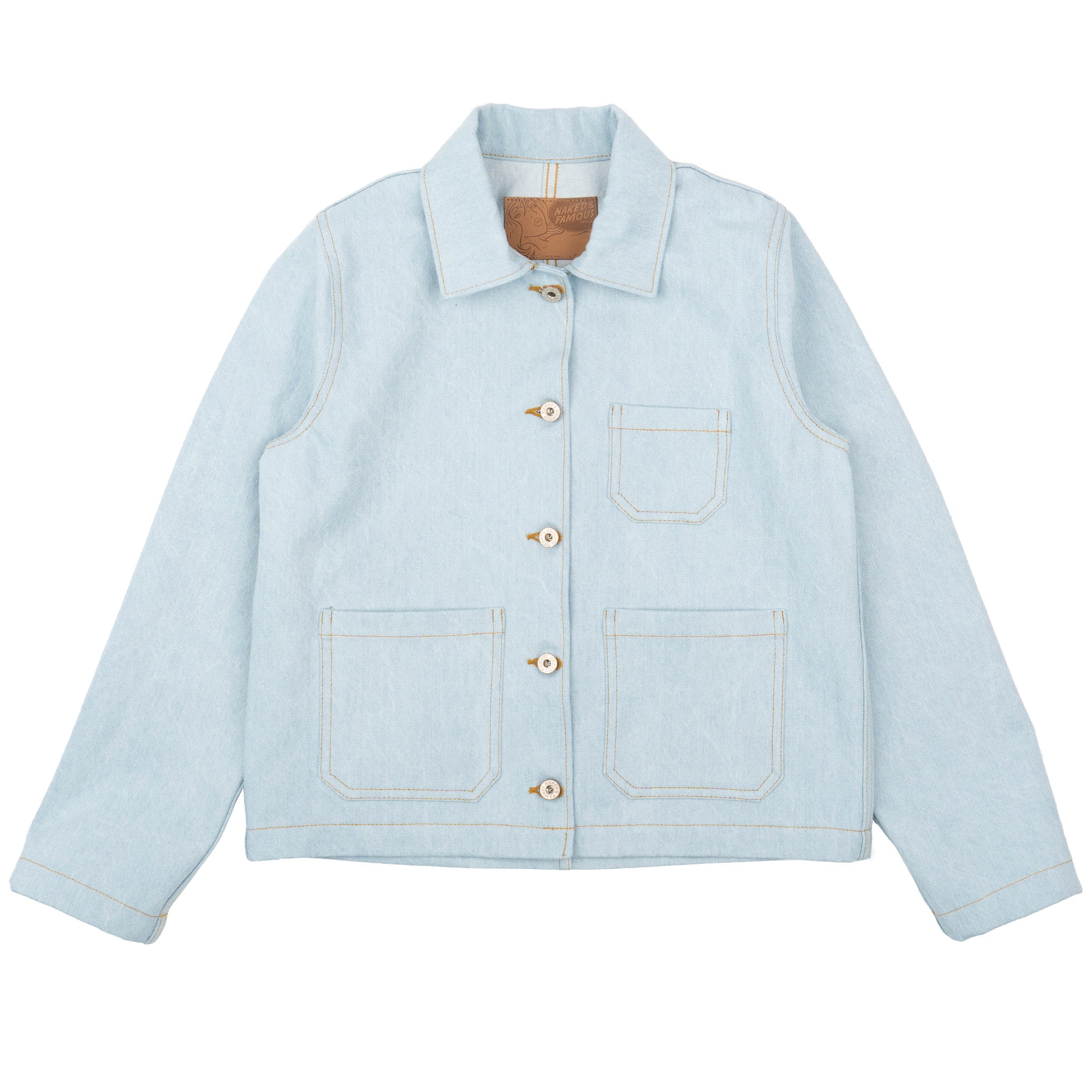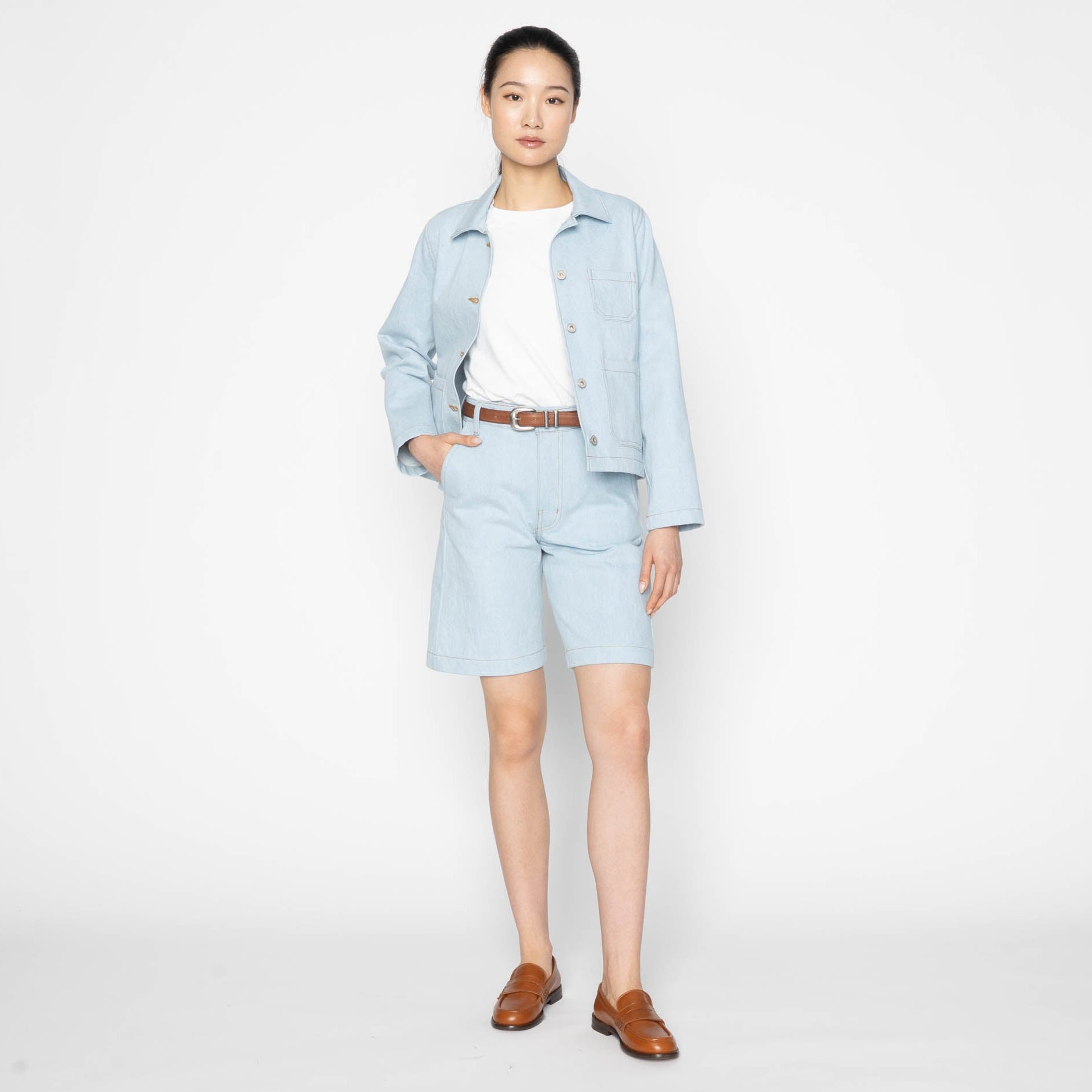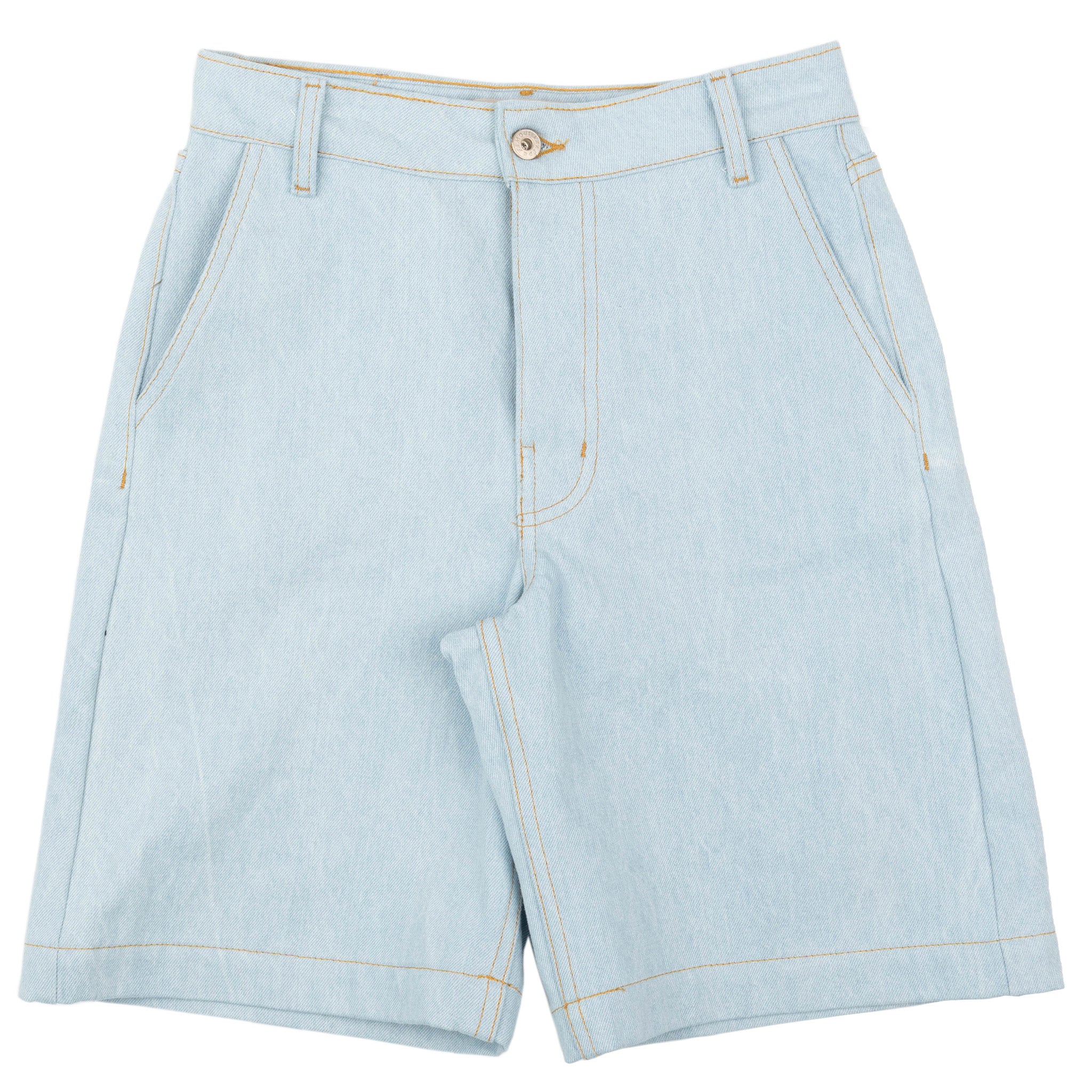
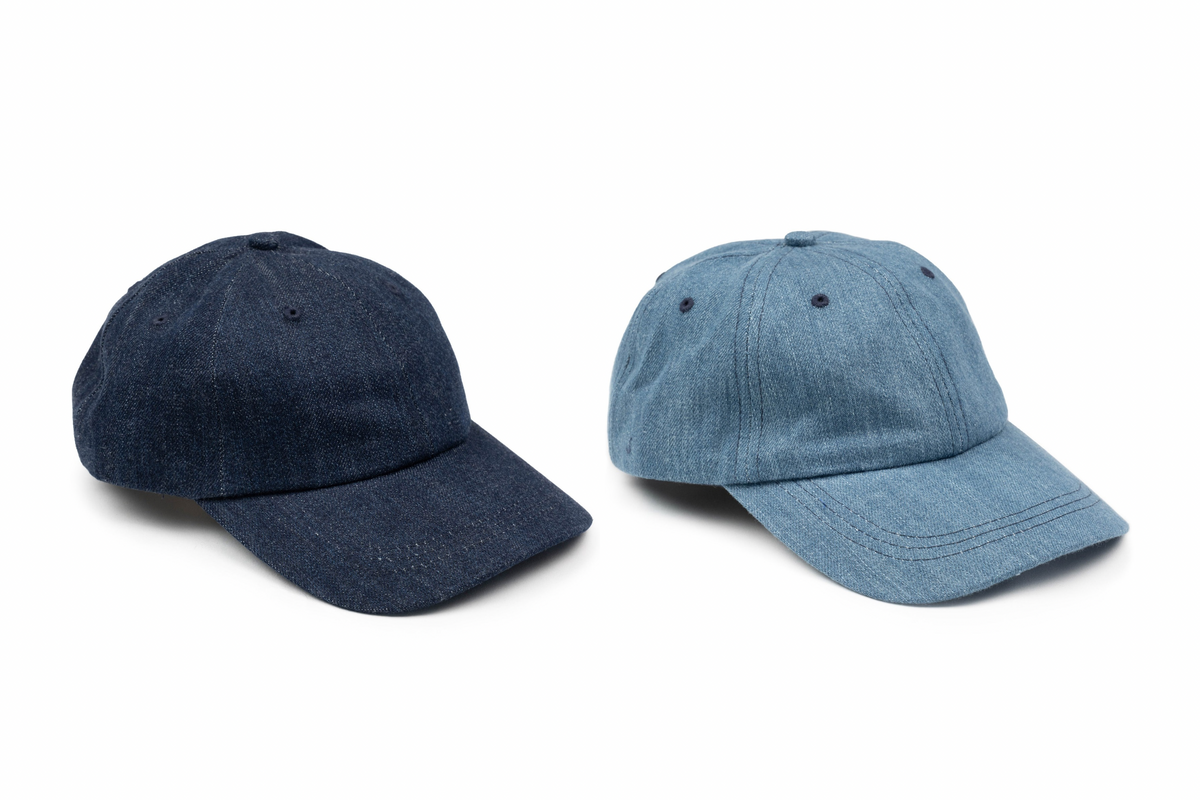

There was a roll of 14oz denim discovered during a visit to a mill in Okayama. The fabric had been affected by water exposure following a flood, causing the indigo to shift unevenly across the surface. The variation placed the lot outside of standard production tolerance. Instead of discarding the material, the mill worked with a nearby dye house to bleach the fabric at the woven stage, stabilizing the color for use.
Indigo changes through exposure to air, moisture, and oxidation cycles. Its final appearance is the result of repeated reduction and oxidation during dyeing, followed by continued reaction during storage and handling. When water exposure occurs unevenly, the indigo can partially release, migrate, or oxidize at different rates across the cloth, producing visible inconsistency.
Once woven, these variations cannot be corrected at the yarn level. In industrial production, this typically results in rejected fabric. In Japan, mills and dye houses operate in close proximity, allowing for secondary processing methods that recover material. Fabric-stage bleaching is one such method, used to reduce indigo concentration across the surface while preserving the structure of the weave.
This approach maintains the original cloth while resetting the color to a uniform state. It reflects a production system where environmental factors and process conditions remain part of the material outcome, and where correction methods are applied at the fabric level rather than restarting the process entirely.
Fabric and Construction
The denim is a 14oz 100% cotton fabric woven in Japan using indigo-dyed warp yarns and undyed weft yarns. After weaving, the fabric undergoes controlled bleaching to reduce indigo concentration across the surface.
The process shifts the fabric from an uneven, oxidized state to a uniform pale indigo. Residual indigo remains within the yarn structure, producing a cloudy tone rather than a flat, fully stripped color.
The weave is a right-hand twill. The fabric is cut and sewn without garment washing. Reduced surface dye lowers initial stiffness while maintaining the density and structure associated with a 14oz denim.
With wear, the remaining indigo continues to respond to friction and washing. Color change occurs gradually, with lower contrast than untreated denim due to the reduced starting saturation.
Details and Finishing
Construction includes chain-stitched hems and reinforced stress points aligned with workwear manufacturing methods.
-
14oz Japanese denim
-
100% cotton
-
Right-hand twill weave
-
Indigo warp / undyed weft (pre-bleach)
-
Fabric-stage bleaching applied post-weaving
-
No garment wash
-
Pale, cloudy indigo tone from dye reduction
-
Chain-stitched construction
-
Full-grain leather patch
Release
March 26 at 11am ET in the following fits: Super Guy, Weird Guy, Easy Guy, True Guy, Strong Guy and Denim Jacket.
Women’s fits available now: Wild Wide West, Maudie, Gracie Jacket and Andie Shorts.
Available online and in store at nakedandfamousdenim.com and nakedandfamousdenimnyc.com, as well as through select retailers worldwide.